Zara’s use of AI shows how retail workflow is quietly changing
Zara is testing how generative AI can be pushed into everyday retail operations, starting with a part of the business that rarely gets attention in tech discussions: product images.
Recent reports show that the retailer is using artificial intelligence to create new images of real models wearing different outfits, based on existing photo shoots. Models remain involved in the process, including approval and compensation, but AI is used to expand and adapt images without repeating production from scratch. The stated goal is to speed up content creation and reduce the need for frequent shooting.
On the surface, the change appears gradual. In practice, it reflects a familiar pattern in AI adoption in enterprises, where technology is introduced not to fix how a company operates, but to remove friction from tasks that are widely repeated.
How Zara is using AI to reduce friction in repeat retail businesses
For global retailers like Zara, images are not a creative idea. It is a production requirement directly related to how quickly products can be launched, updated and sold across markets. Each element typically needs multiple visuals for different regions, digital channels, and campaign cycles. Even when the costumes change only slightly, the surrounding production work is often starting again from scratch.
This redundancy leads to delays and costs that are easy to overlook precisely because they are routine. AI provides a way to compress those cycles by reusing approved materials and creating variations without resetting the entire process.
Artificial intelligence enters the production pipeline
The placement of the technology is as important as the capability itself. Zara isn’t positioning AI as a separate creative product or asking teams to adopt an entirely new workflow. Tooling is used within the existing production pipeline, supporting the same output with fewer deliveries. This keeps the focus on productivity and coordination rather than experimentation.
This type of deployment is typical when AI moves beyond the experimental stages. Instead of requiring organizations to rethink how work gets done, technology is introduced where limitations already exist. The question becomes whether teams can move faster and with less duplication, not whether AI can replace human judgment.
The Imagery Initiative also sits alongside a broader set of data-driven systems that Zara has built up over time. The retailer has long relied on analytics and machine learning to forecast demand, allocate inventory, and respond quickly to changes in customer behavior. These systems rely on rapid feedback loops between what customers see, what they buy, and how inventory moves through the network.
From this perspective, producing content faster supports the broader process even if it is not framed as a strategic shift. When product images can be updated or translated more quickly, it reduces the lag between physical inventory and online presentation and customer response. Each improvement is small, but together they help maintain the pace that fast fashion relies on.
From experimentation to routine use
It is worth noting that the company avoided framing this move in big terms. There are no published figures on cost savings or productivity gains, and no claims that AI is transforming the creative function. The scope remains narrow and practical, limiting risks and expectations.
This limitation is often a sign that AI has moved from the experimental stage to routine use. Once technology becomes part of daily operations, organizations tend to talk about it less, not more. It stopped being an innovation story and started treating it as infrastructure.
There are also limitations that are still visible. The process still relies on human models and creative oversight, and there is no indication that the AI-generated images are working independently. Quality control, brand consistency and ethical considerations continue to shape how tools are applied. AI extends existing assets rather than creating content separately.
This aligns with how organizations typically approach creative automation. Instead of completely replacing in-person work, they target repeatable components around it. Over time, these changes accumulate and reshape how teams allocate effort, even if the core roles remain intact.
Zara’s use of generative AI does not signal a reinvention of fashion retail. It shows how AI is beginning to touch parts of the enterprise that were previously considered manual or difficult to standardize, without fundamentally changing how businesses operate.
In large organizations, this is often the reason why AI adoption is sustainable. It does not arrive through sweeping strategic announcements or sensational claims. It takes hold through small, practical changes that make the day-to-day work move a little faster — until it becomes difficult to imagine doing without those changes.
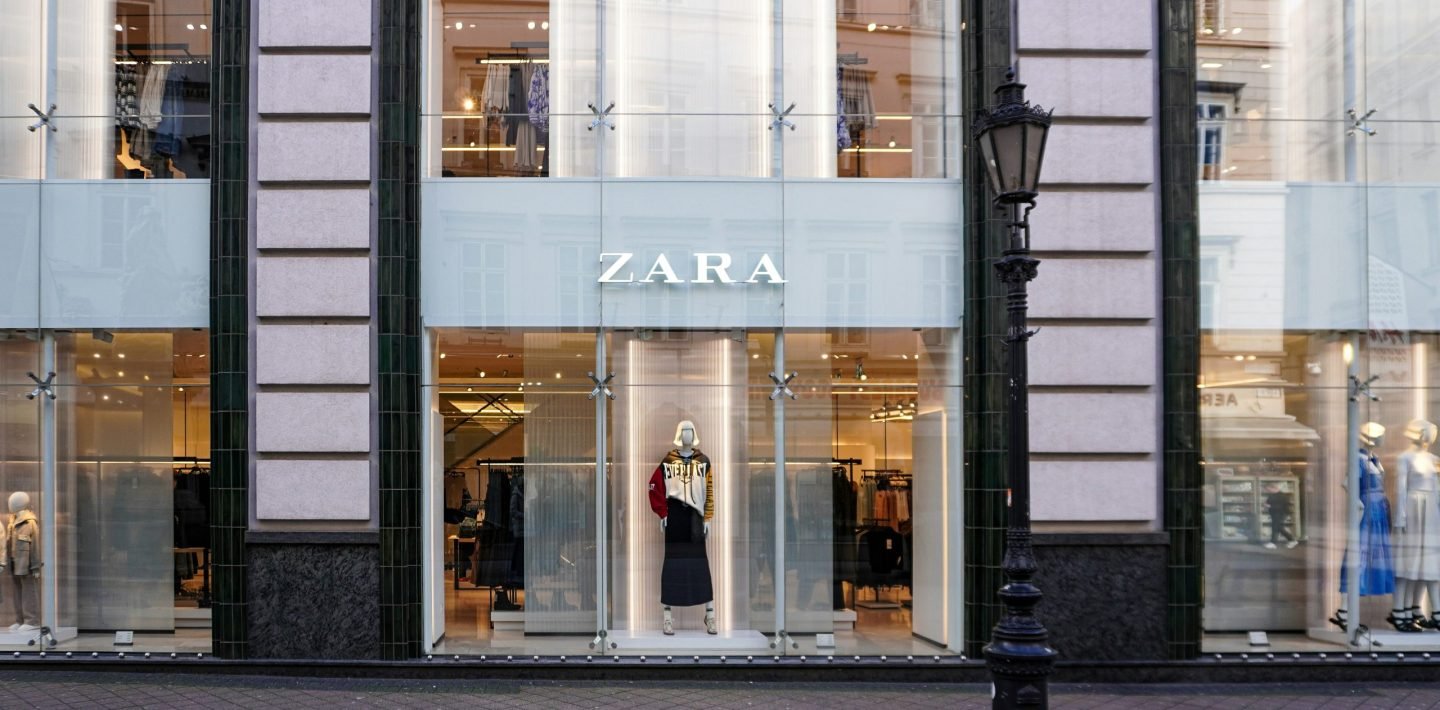
(Photo by M. Renem)
See also: Walmart’s AI strategy: Beyond the hype, what actually works?
Want to learn more about AI and Big Data from industry leaders? Payment Artificial Intelligence and Big Data Exhibition Taking place in Amsterdam, California and London. The overall event is part of Tkx And co-located with other leading technology events, click here For more information.
Artificial Intelligence News is powered by TechForge Media. Explore other upcoming enterprise technology events and webinars here.
(tags for translation) enterprise